
discovery
Mammoths Met the Pyramids
Woolly mammoths were still alive when the Egyptian pyramids were built! The last mammoths survived on Wrangel Island until about 1650 BCE—over 1,000 years after the Great Pyramid.
Discover the fascinating creatures that once roamed our planet

Proterozoic
Charnia is one of the most important fossils ever discovered! This mysterious frond-shaped organism lived during the Ediacaran period, approximately 575 to 555 million years ago, making it one ...
Learn More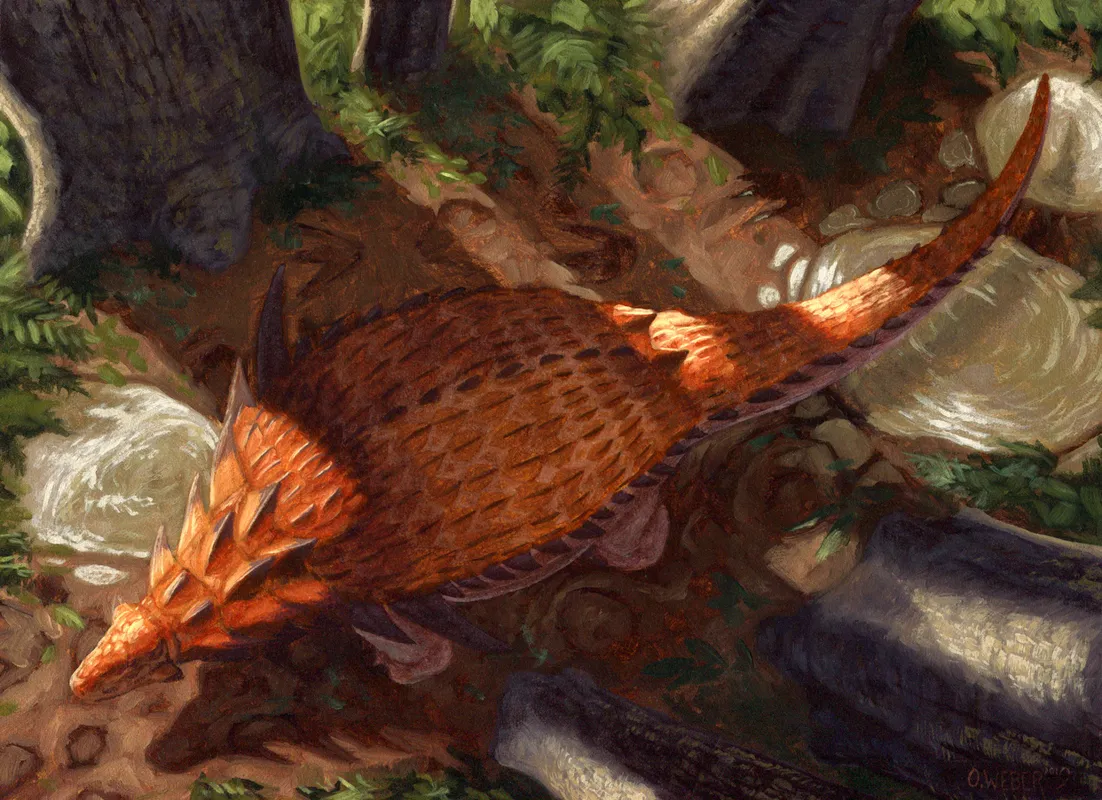
Cretaceous
Borealopelta, meaning "northern shield," is one of the best-preserved dinosaur fossils ever discovered—so perfect that scientists could even determine what color it was! Found accidentally in a Canadian mine ...
Learn More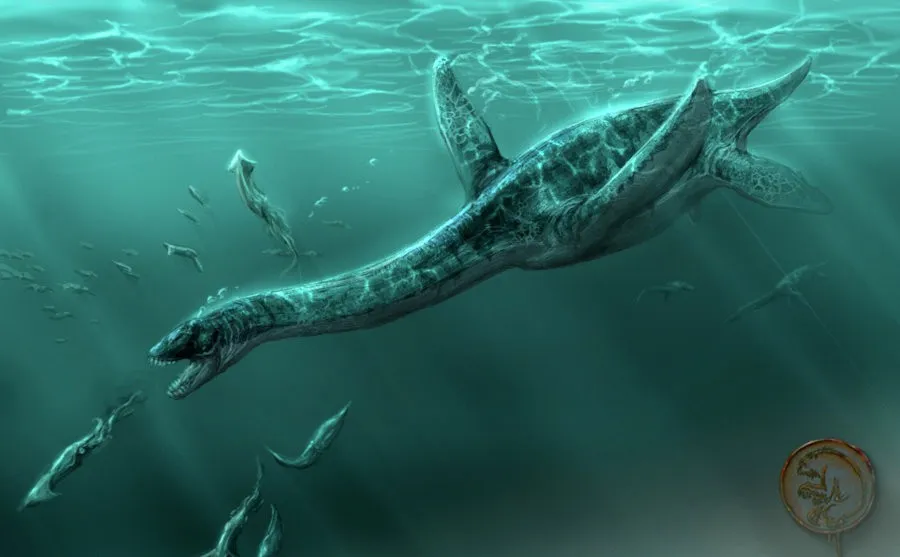
Jurassic
Plesiosaurus was the original long-necked marine reptile—the creature that gave its name to an entire group of prehistoric sea monsters! Living during the Early Jurassic ...
Learn More October 27, 2026
Proterozoic
Charnia is one of the most important fossils ever discovered! This mysterious frond-shaped organism lived during the Ediacaran period, approximately 575 to 555 million years ago, making it one of Earth's oldest known complex life forms. Charnia was the...

October 27, 2026
Proterozoic
Tribrachidium is one of the strangest creatures to ever exist! Living during the Ediacaran period about 558-555 million years ago, this bizarre disc-shaped organism had three-fold symmetry — a body plan found in no living animal today. It...

October 27, 2026
Proterozoic
Spriggina is one of the most intriguing fossils from the Ediacaran period, living approximately 550-560 million years ago. With its distinctive horseshoe-shaped head and segmented body, it has sparked decades of debate about whether it represents...

October 27, 2026
Cambrian
Wiwaxia is one of the strangest creatures from the Cambrian Explosion, living approximately 508 million years ago. This bizarre armored slug-like animal was covered in overlapping scales and tall defensive spines, making...

October 27, 2026
Cambrian
Pikaia is one of the most important fossils ever discovered—it may be one of our earliest ancestors! This small, leaf-shaped swimmer lived approximately 508 million years ago during the Middle Cambrian period....

October 27, 2026
Cambrian
Olenoides serratus is one of the most famous and scientifically important trilobites ever discovered! Living approximately 508 million years ago during the Middle Cambrian, this trilobite is celebrated for its exceptional...

October 27, 2026
Cambrian
Ottoia was a fearsome predatory worm that terrorized the Cambrian seafloor approximately 508 million years ago. As the most abundant worm in the famous Burgess Shale, this priapulid (penis worm) used its...

February 2, 2026
Proterozoic
Dickinsonia is one of the most mysterious and ancient creatures ever found! Living during the Ediacaran period about 558-555 million years ago, it was one of Earth's earliest complex life forms. This bizarre oval-shaped organism lived...

February 2, 2026
Ordovician
Orthoceras was an ancient straight-shelled nautiloid—an early relative of today's squids and octopuses! Living from the Ordovician to Triassic periods (around 485-200 million years ago), these jet-propelled hunters had long, cone-shaped shells and were among the...

February 2, 2026
Silurian
Birkenia was a tiny jawless fish that swam in ancient Silurian seas about 430 million years ago! At only 10 cm (4 inches) long, this small but important fish was an anaspid—one of the early vertebrates that...

February 2, 2026
Devonian
Tiktaalik is one of the most important fossils ever discovered—a 375-million-year-old "fishapod" that shows the transition from fish to land animals! Found in the Canadian Arctic in 2004,...

February 2, 2026
Neogene
Phorusrhacos was one of the most terrifying "terror birds"—giant flightless predatory birds that ruled South America for millions of years! Standing 2.5 meters (8 feet) tall with a massive hooked beak, this apex...

February 2, 2026
Quaternary
Smilodon, the famous "saber-toothed cat," was one of the most iconic predators of the Ice Age! Living from about 2.5 million to 10,000 years ago, this powerful cat had enormous canine teeth that could...

February 2, 2026
Quaternary
The Woolly Rhinoceros was a massive, shaggy beast that roamed the frozen steppes of Ice Age Europe and Asia! Living from about 350,000 to 10,000 years ago, this incredible animal was perfectly...

February 2, 2026
Permian
Gorgonops was one of the most fearsome predators of the Late Permian period, approximately 260-252 million years ago! Named after the Gorgons of Greek mythology (monsters with snakes for hair), this...
Woolly mammoths were still alive when the Egyptian pyramids were built! The last mammoths survived on Wrangel Island until about 1650 BCE—over 1,000 years after the Great Pyramid.

During the Carboniferous period, oxygen levels reached 35% (vs 21% today). This allowed insects to grow huge—millipedes reached 2.5 meters (8 feet) long!
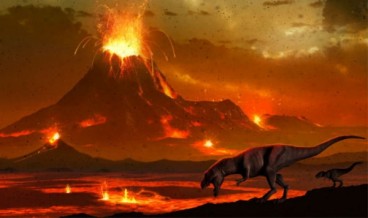
The K-Pg extinction, caused by an asteroid impact 66 million years ago, wiped out 75% of species, including non-avian dinosaurs, due to climate shifts, wildfires, and tsunamis.

At just 12 years old, Mary Anning discovered the first complete Ichthyosaur fossil in 1811. She became one of history's greatest fossil hunters, despite never receiving formal credit in her time.
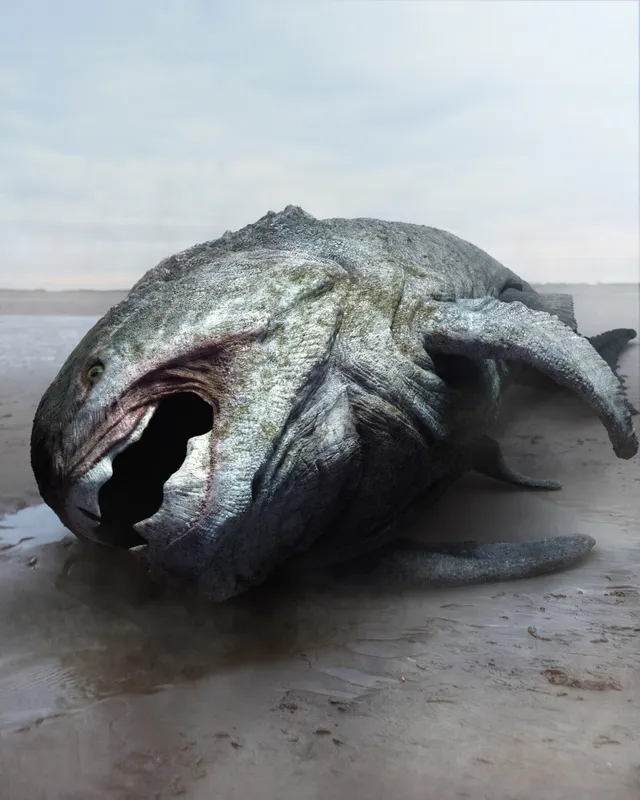
The Hangenberg event, about 359 million years ago, was a mass extinction at the Devonian-Carboniferous boundary, caused by global cooling and anoxic oceans, wiping out many marine species.

Stegosaurus and T-Rex never met—they lived 80 million years apart! In fact, we are closer in time to T-Rex than T-Rex was to Stegosaurus.

Scientists study fossilized dinosaur poop (coprolites) to learn what they ate! A 2024 study of 500+ coprolites showed early dinosaurs were "opportunistic" eaters—they ate everything.

The first horses (Eohippus) were only 30 cm tall—about the size of a fox! They had four toes and lived 55 million years ago. Horse evolution is one of the best-documented in paleontology.

Therizinosaurus had the longest claws of any animal ever—up to 1 meter (3.3 feet) long! Despite looking terrifying, this dinosaur was likely a plant-eater that used its claws for grabbing vegetation.

During the Cretaceous, sea levels were 150-200 meters higher than today. About 30% of today's land was underwater, and there was no ice at the poles!

Megalodon's teeth could reach 7.5 inches (19 cm)—three times larger than great white shark teeth! This 20+ meter shark had the strongest bite of any animal ever: 182,000 Newtons.
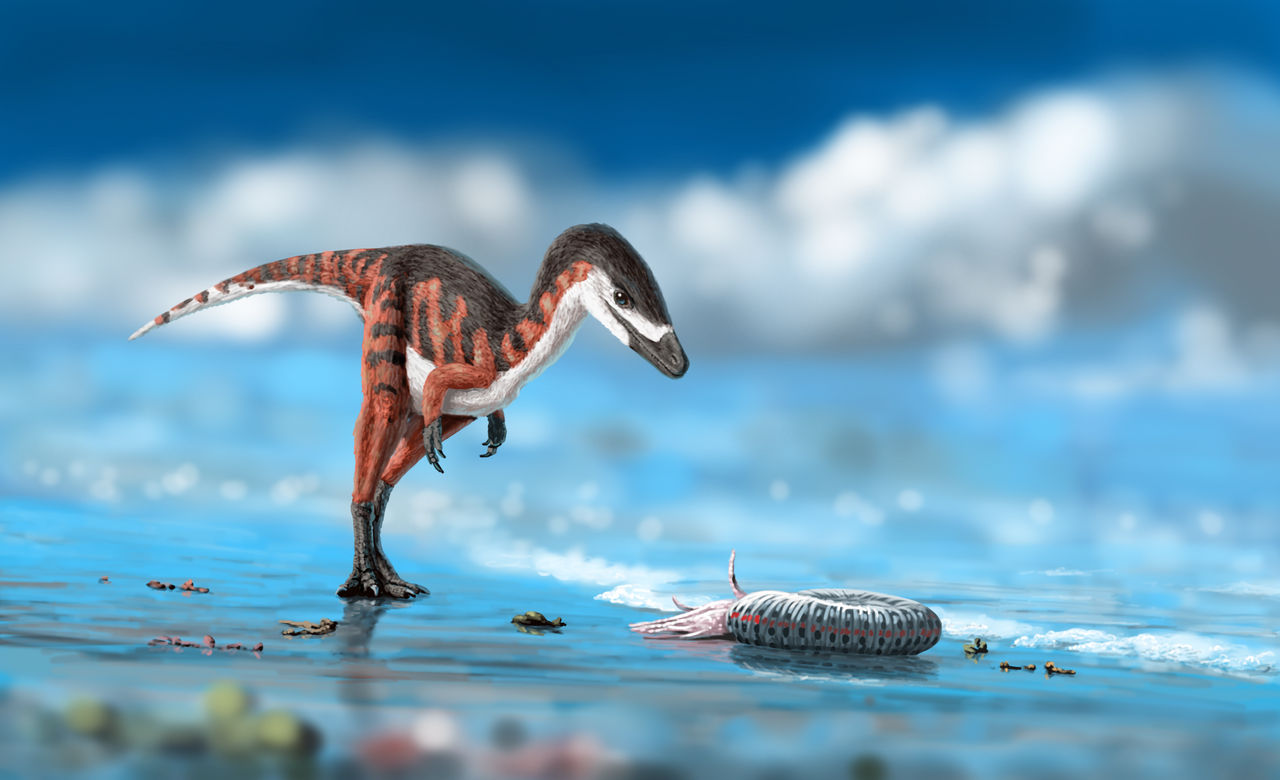
While many famous dinosaurs were enormous, the smallest known dinosaur was the Compsognathus, only about the size of a chicken!

During their teenage growth spurt, T-Rex gained 35-45 pounds PER WEEK until reaching adult size around age 20! Growth rings in SUE's bones revealed this incredible growth rate.

The oldest creatures preserved in amber are 230 million years old! These tiny mites from Italy are 100 million years older than any other amber fossils, perfectly frozen in tree resin.

Horseshoe crabs have remained virtually unchanged for 450 million years—they existed before dinosaurs, survived all mass extinctions, and still live today! They're older than trees and sharks.

Supersaurus may be the longest dinosaur ever at up to 42 meters (138 feet)—longer than three school buses! Its neck alone was over 15 meters, and its tail stretched 18+ meters.

Crocodilians have existed for over 200 million years, surviving the asteroid that killed the dinosaurs. They've barely changed because their design is nearly perfect for their lifestyle.

Real Velociraptors were only about 0.5 meters tall and weighed 15 kg—roughly the size of a turkey! The "raptors" in Jurassic Park were actually based on the larger Deinonychus.

Ankylosaurus had a tail club that could swing with 7,000-8,000 Newtons of force—enough to shatter bones, even a T-Rex's! The club was made of fused bone and could weigh over 20 kg.

Small mammals existed for over 160 million years alongside dinosaurs! They were mostly nocturnal and mouse-sized, waiting in the shadows until the dinosaurs went extinct.

The Chicxulub crater in Mexico is 200 km (124 miles) wide—created by an asteroid 10-15 km across traveling at 20 km/second. The impact released energy equal to 4.5 billion atomic bombs!

Dinosaur fossils have been found on all seven continents, including Antarctica! When dinosaurs lived, Antarctica was much warmer and connected to other landmasses.

Fossils show dinosaurs brooding their eggs like birds! A 70-million-year-old Oviraptor was found sitting on a nest of 24 eggs, proving dinosaurs were devoted parents who cared for their young.

Argentinosaurus may have weighed up to 100 tons—as heavy as 14 elephants! Its thigh bone alone was taller than an adult human.